Wardrobe Thinking
A smaller wardrobe. More ways to wear it.
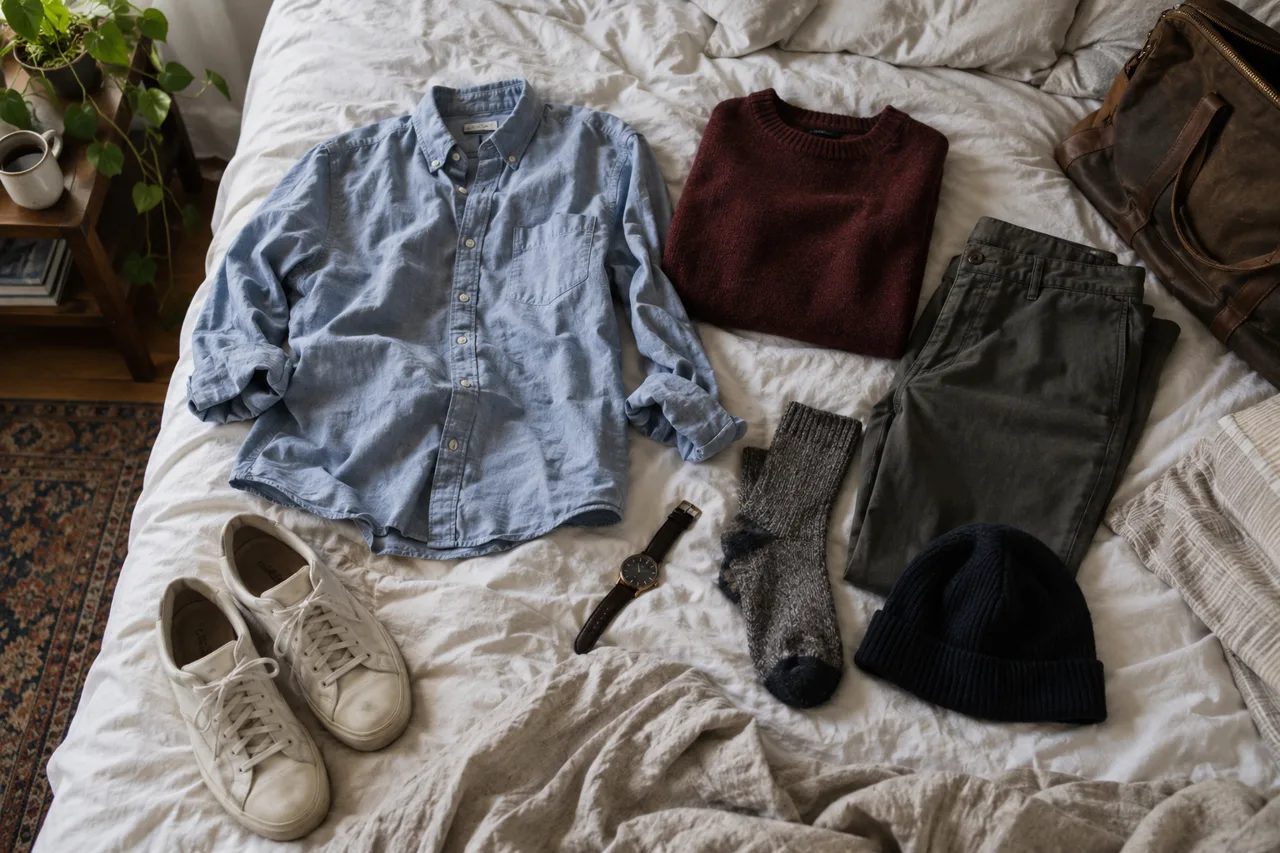
Start with your real routine, find the combinations that work, and let the laundry schedule have a say.
Read the storyThoughtful style
for real life.
The everyday issue
Most of getting dressed happens between the big occasions: a cool walk to the station, a table booked after work, an afternoon that stretches into evening. Thinker Clothing is a journal about those decisions. We look at fit, movement, weather, and personal preference together, so the outfit you like in the mirror also works once you leave the house.
There is room here for a familiar uniform and for the piece you wear just because it makes you smile. Our interest is in clothes that participate in life, with practical ideas you can adapt from what you already own. Start with the day ahead. Let the wardrobe follow.
Start with your wardrobe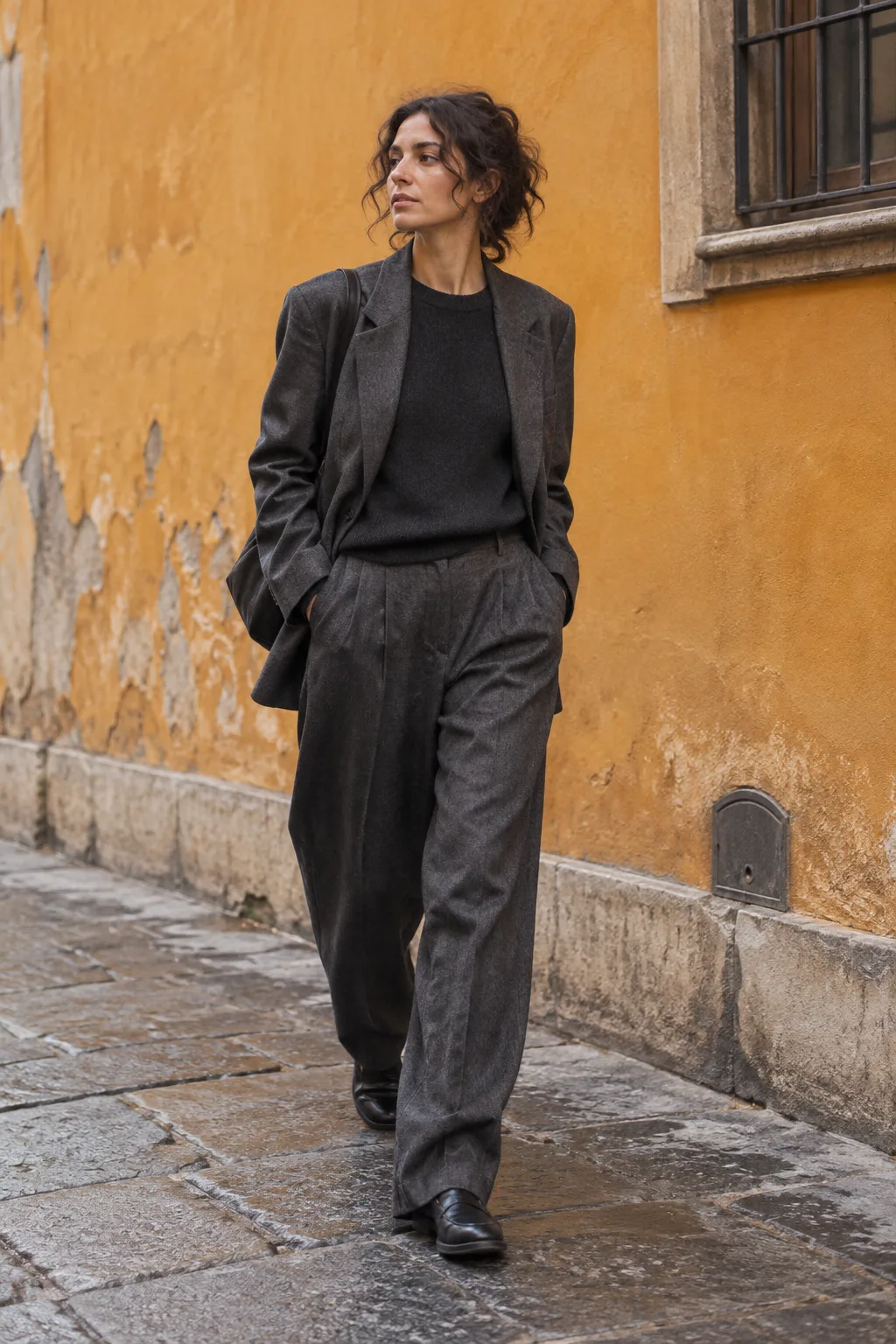
Try the seated version.
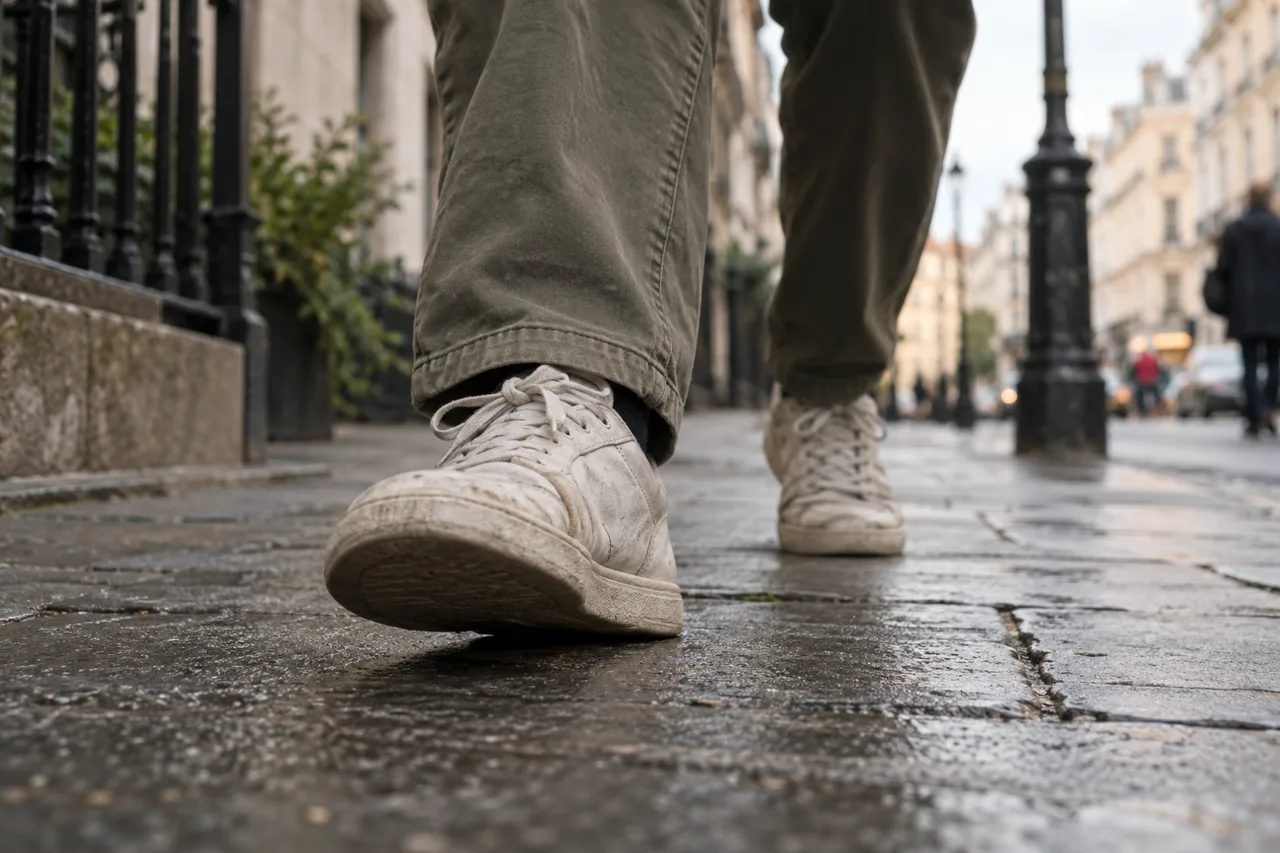
Let the shoes set the pace.
Dress for the journey, too.
From the journal
All seven stories ↗Wardrobe Thinking
Start with your real routine, find the combinations that work, and let the laundry schedule have a say.
Read the storyStyle Psychology
Physical comfort, familiar clothes, and the meanings we bring to them—without turning personal style into a personality test.
Read the storyThe clothes you wear most often rarely receive the most attention. A special outfit gets a careful fitting; an everyday shirt gets pulled from the same corner of the drawer. Yet the ordinary pieces carry the longest hours. They deserve a check of the sleeves, the seams, the pocket, and how they feel when you sit down.
Begin with one reliable outfit. Put it on with the shoes and outer layer you actually use, then identify what makes it easy. Perhaps the trousers allow movement without requiring a belt. Perhaps the top fits neatly under your coat. Perhaps the colors simply feel familiar. Those details are a better guide to your next choice than a list of seasonal essentials.
Now look at one combination you avoid. You do not need to condemn every item in it. The problem might be a shirt length, a shoe that changes the hem, or two sleeves that refuse to fit together. Change one element and try again. A wardrobe becomes more usable when you learn its relationships, not only its inventory.
Our approach to everyday style begins at that scale. A small adjustment can make a garment useful again, while a new purchase can fail if the same practical issue remains. Give the clothes a real task, try them in that task, and keep the observations that make tomorrow morning easier.
Before you leave
Sit in the outfit for a moment. Waistbands, skirt lengths, and jacket fronts behave differently once your knees bend. If you plan to travel, eat, or work seated, the seated version is part of the outfit. Make the adjustment while you still have access to your wardrobe.
Put something ordinary in the pockets. Your phone and keys can change the way lightweight fabric hangs. Check whether the opening is deep enough and whether the weight feels comfortable. If you need a bag, choose it now rather than treating it as an afterthought beside the door.
Remove the outer layer. The version underneath should suit the room you are entering and your own comfort. A coat can pull an outfit together outside, but it cannot do that job once it is hanging over a chair. Test the versions you expect to wear, not just the finished look.
Versatility is often described as a property of an individual garment. A plain shirt is called versatile, a patterned trouser is called difficult. In practice, the answer depends on what else you own and what you enjoy wearing. A patterned piece can be a dependable base if several familiar tops work with it.
Think in combinations rather than categories. Lay out a bottom, two possible tops, the shoes, and an outer layer. Then try them. Hangers cannot tell you how a hem meets a waistband or whether a sleeve bunches under a jacket. A combination only counts as useful if you would willingly wear it beyond the bedroom.
Color can provide connections without becoming a rigid scheme. Repeat one tone from a print, or let a familiar dark shoe connect several otherwise different outfits. You do not need to replace good clothes because a new palette excludes them. The wardrobe should describe your preferences, not train you to prefer a spreadsheet.
Leave room for pieces with narrower jobs. A garment worn for a meaningful occasion may be worth keeping even if it does not match everything. The problem is counting that occasional piece as the everyday option you keep reaching for. Give each item an honest role and the gaps become easier to see.
 The whole day counts.
03 / WHAT TO WEAR
An event outfit begins well before the entrance. It may include a station platform, a parking area, a queue, and a walk after dark. Those transitions ask as much of the clothes as the event itself. Start by mapping the journey in ordinary terms: where you will walk, wait, sit, and carry things.
Then read the organizer’s information. A seat in an exposed stand has different demands from a hospitality room, and a bag that works on the train may not meet the venue’s rules. General fashion advice cannot settle those details. Confirm the requirement before the outfit becomes dependent on one particular accessory.
Choose footwear from the route rather than the photograph. A pair you already know on similar outings provides more useful information than an unfamiliar shoe described as comfortable. Try the trousers or skirt with that pair too. Hems, soles, and surfaces form one practical decision even when they appear in different parts of a shopping list.
Expression still belongs in the plan. A vivid shirt, an unusual texture, a favorite piece of jewelry, or a team color can provide the visual focus. Give that detail a workable base and it becomes easier to enjoy. The best preparation frees your attention for the people and the event once you arrive.
The stadium outfit guide ↗What to Wear
Keep the expressive piece. Reconsider the slipping strap, awkward layer, and shoes that have never left the house.
Read the storyEveryday Style
A practical footwear trial for the walk there, the time spent standing, and the less predictable journey home.
Read the story“Comfortable clothes” can mean different things to different people. One person likes loose sleeves; another finds them distracting. Some prefer a secure waistband, while others want less pressure. Temperature, texture, movement, sensory needs, and access requirements all change the answer. A useful style guide leaves room for those differences.
Describe the feeling instead of relying on a label. Does a seam rub? Does the fabric catch when you raise your arms? Does a neckline need adjusting? Does the shoe stay in place? Specific observations help you change the right thing. A broad judgment such as “this whole outfit is wrong” gives you fewer useful options.
Try clothes through the movements your day requires. Reach for an imagined shelf, sit at a table, carry your usual bag, and walk in the shoes. Adapt the checks to your own movement and mobility. You are looking for a workable fit for your life, not passing a standardized test of what a body should do.
Aesthetic comfort matters too. You may prefer a familiar silhouette in a new setting, or enjoy a more expressive look when you have time to settle into it. Neither preference needs a grand explanation. Let comfort include how you want to present yourself as well as how the clothing feels against your skin.
“A useful wardrobe makes room
for the day you actually have.”
05 / TRAVEL & EVENTS
Travel has a way of encouraging imaginary outfits. A jacket for a dinner you have not booked, shoes for an activity you are unlikely to do, and a second version of every basic can fill the case before the actual itinerary receives much attention. Begin with the plans that exist.
List any firm requirements, then choose clothes that cover several ordinary moments. A top that works on the journey and at a casual meal is useful if you like wearing it in both situations. Do not count a theoretical pairing you would avoid at home. Travel rarely improves your patience for a combination that already feels awkward.
Laundry and storage belong in the plan. A compact wardrobe that requires overnight washing is only practical if you have a suitable way to wash and dry it. Check accommodation details when necessary, follow garment care instructions, and allow space for worn items. The suitcase will not remain in its departure-day arrangement.
Packing lightly should make the trip easier for you. If removing an item creates a predictable problem, keep it. If carrying the bag becomes difficult, revisit the pieces without a clear job. The useful balance depends on your needs and route, not on matching someone else’s impressive photograph of an almost-empty case.
Pack for a short city trip ↗
Clothing can carry expectations without providing a reliable code for reading people. A jacket may feel formal in one setting and ordinary in another. A bright color may feel expressive to the wearer and barely register with someone else. We are interested in those differences without pretending that clothes reveal a hidden personality score.
When a new occasion makes dressing feel complicated, look for the concrete requirement. An invitation, a host’s guidance, or a workplace policy can narrow the decision more effectively than guessing what everyone might think. Within that boundary, choose a combination that lets you participate without constant self-monitoring.
Familiar pieces can help. A shirt you enjoy wearing or a shoe you trust may give a new outfit an ordinary anchor. You can also try an unfamiliar shape in a low-pressure setting before asking it to serve at an important event. There is no need to make every experiment public at the moment it feels least familiar.
Our style psychology writing treats these as questions for observation, not diagnosis. You can notice the memories and meanings attached to clothes while leaving room for uncertainty. Sometimes the outfit feels wrong because the setting changed. Sometimes the sleeve is simply uncomfortable. Both answers deserve a practical response.

A forecast gives you information, but the day also includes buildings, transport, movement, and waiting. An outfit for one temperature may struggle through all of them. Think about the adjustments you can make: opening a front, removing a middle layer, or adding an outer piece for the journey.
Give each garment a clear job. Start with a base that works indoors, add warmth if needed, and choose weather protection according to the actual conditions and product information. Three layers are not mandatory. The point is to avoid stacking pieces that all solve the same problem while leaving another problem untouched.
Try the thickest intended combination before leaving. Sleeves and collars can compete for space, while a jacket that fits over a tee may not fit over your preferred knit. Move in the outfit and check it fastened as well as open. A coat should not require a motionless posture to remain comfortable.
Finally, decide where a removed layer will go. A compact garment, an allowed bag, or confirmed storage can make the plan work. An assumed cloakroom or an empty neighboring seat cannot. Adaptability includes carrying the clothes you are temporarily not wearing, and that practical detail often determines which layer is the better choice.
08 / THE DETAILS
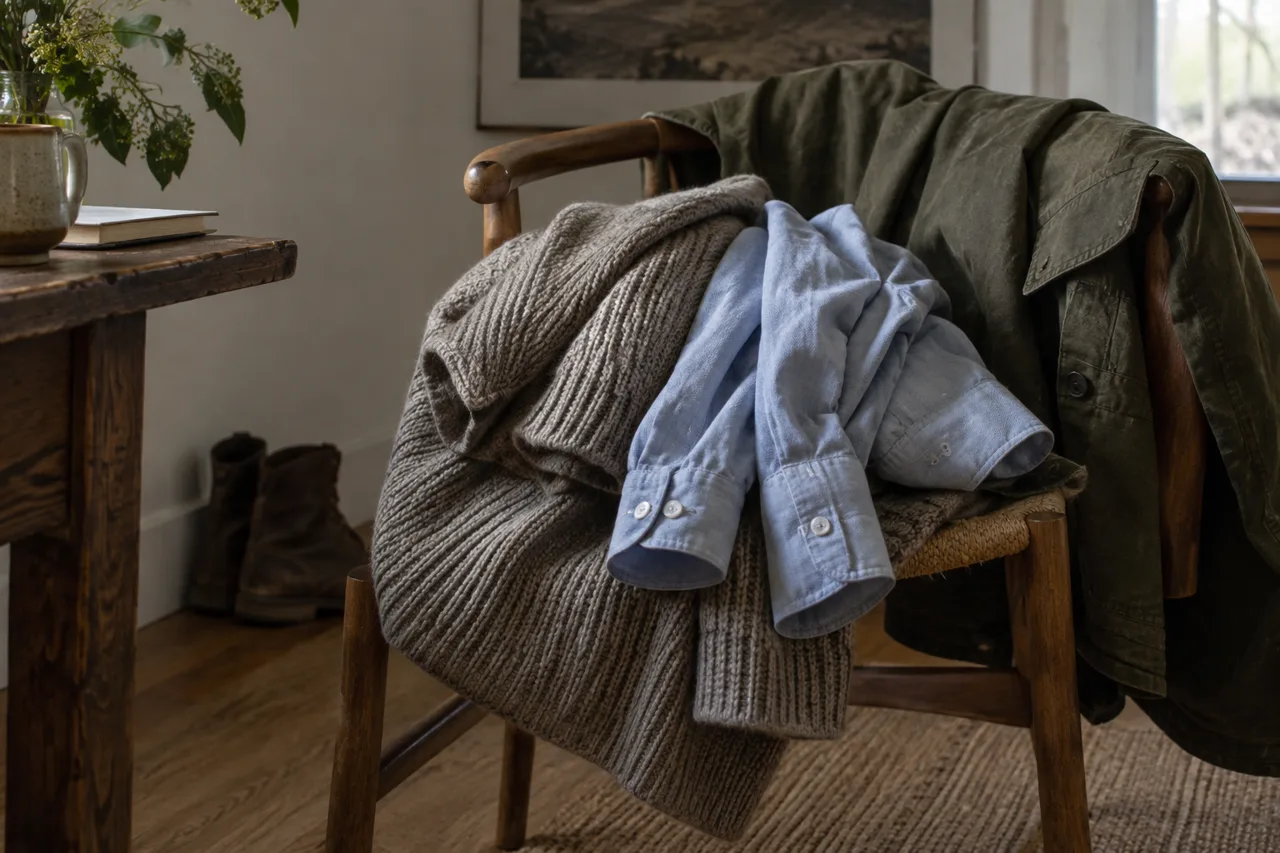
The care label is worth reading before a garment becomes part of your regular rotation. A piece that needs special cleaning may still be a pleasure to own, but its upkeep should fit your routine. Do not count it as an everyday standby if it is likely to spend most weekends waiting for attention.
Look at the small repairs too. A loose button, a catching zipper, or a hem that needs work can keep an otherwise useful item out of circulation. Decide whether the repair is realistic for you or worth taking to someone who can help. Keeping an item does not automatically make it usable; resolving the actual problem does.
Avoid universal care shortcuts. Different constructions, finishes, trims, and linings can require different treatment even when the main fiber sounds familiar. Follow the item’s instructions and seek appropriate advice for an uncertain or valuable piece. An improvised method that works once is not a general rule for the rest of the wardrobe.
A useful maintenance habit can be small. Check clothes as you put them away, separate the pieces that need attention, and keep the next wearable combination accessible. The reward is practical: fewer mornings spent discovering that the outfit you planned is not ready to leave the house.
Before browsing, write a sentence about the problem you want to solve. “A layer that fits over my usual sleeves” is a clearer brief than “something more stylish.” “Shoes for the walk to evening events” points toward a trial with your actual clothes. A precise gap makes it easier to recognize an unsuitable purchase.
Compare a new item with the wardrobe it will join. What would you wear it with next week? Does it require another purchase to become usable? Can you manage its care? These questions do not forbid an expressive or occasional piece. They make the trade-off visible before the excitement of something new does all the deciding.
Sometimes a different pairing, an alteration, or a repaired fastening is enough. Sometimes a replacement is the sensible answer. Avoid turning either buying or refusing to buy into a moral performance. Your resources, needs, and preferences determine the workable option, and they can change over time.
Keep a little space for curiosity. You might try a color you have overlooked or a shape that changes how familiar clothes look. Give the experiment a realistic place in your life. Thoughtful dressing can include surprise; it simply asks the new piece to meet the same ordinary world as the rest of your wardrobe.