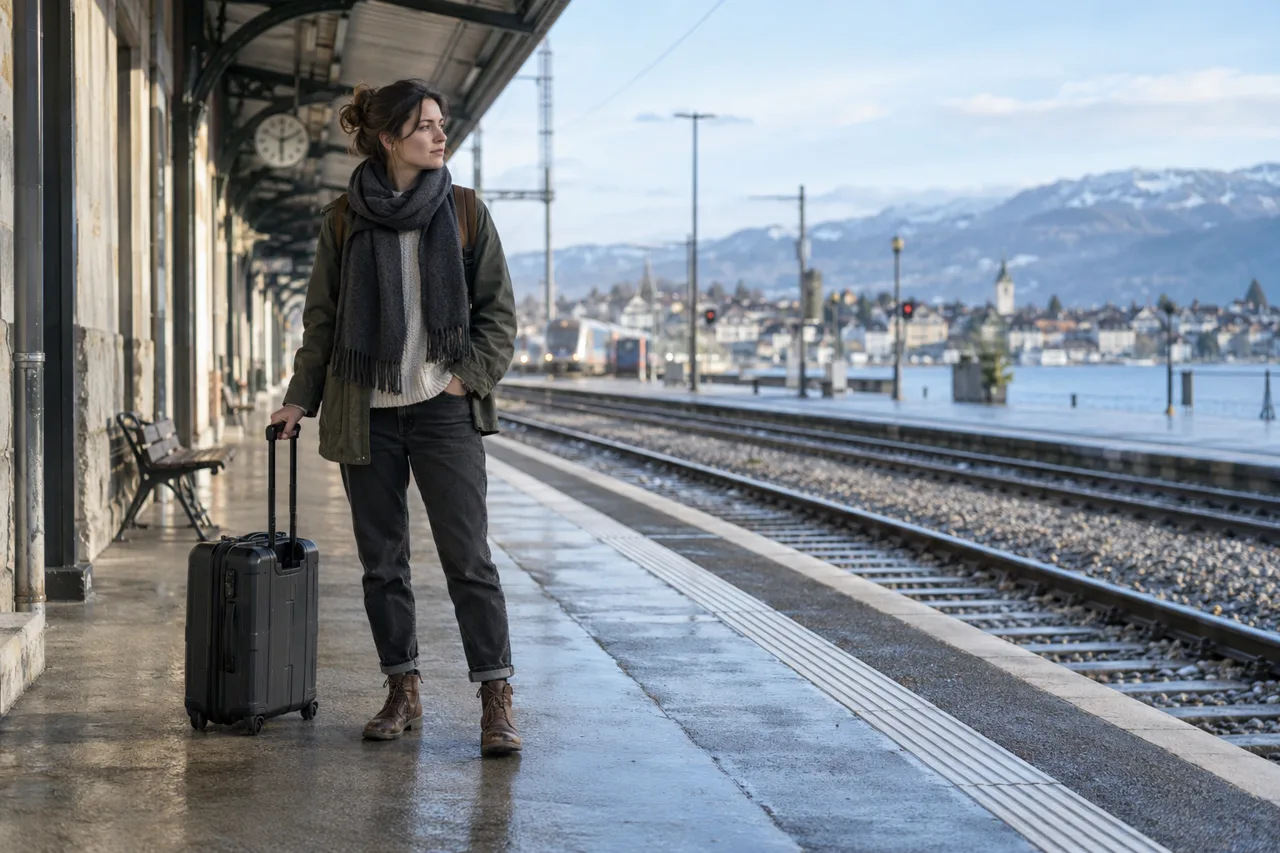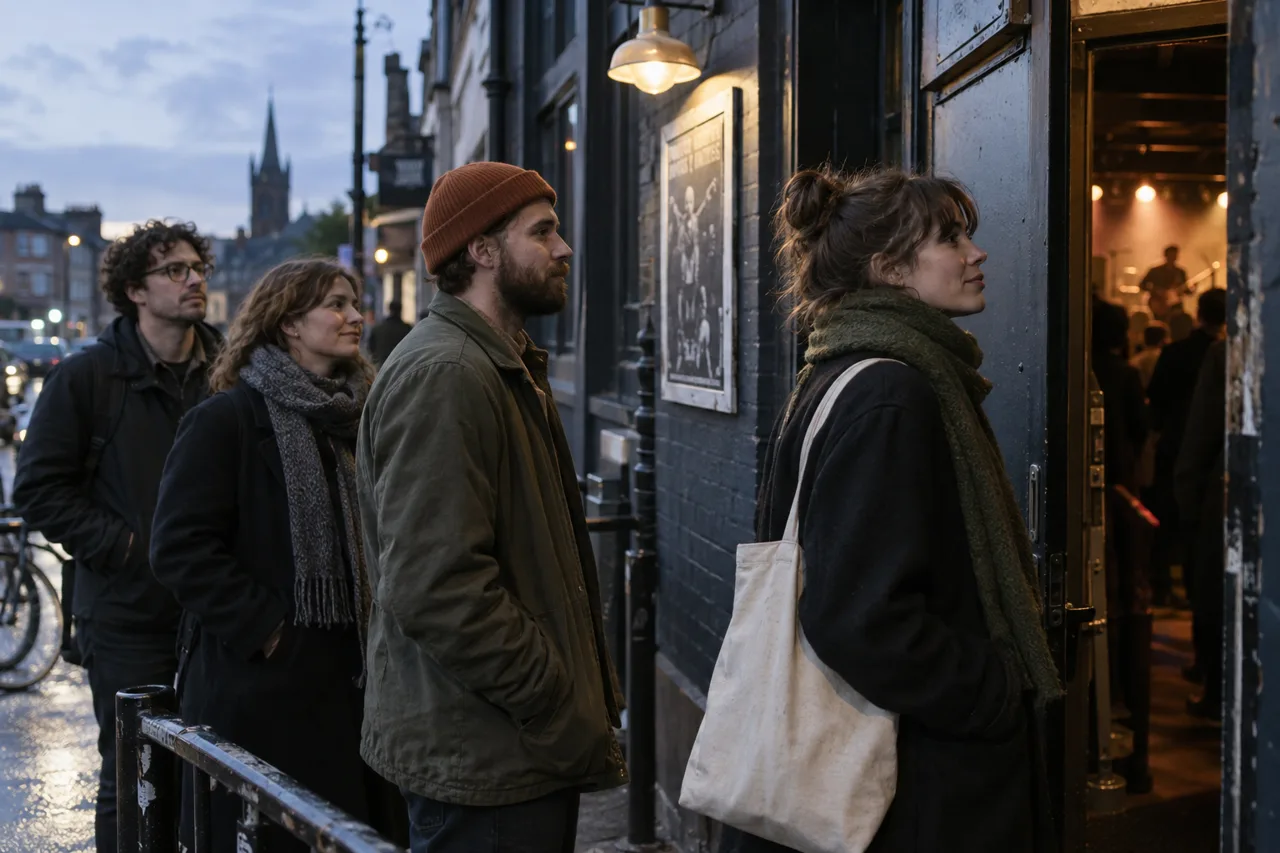
The photograph usually shows the best few minutes of a concert outfit. It leaves out the queue, the crowded journey there, the warm room, and the wait for a ride afterward. Dress for that longer sequence and you can still wear something expressive. The difference is that every statement piece needs to earn its place through movement, temperature changes, and time.
Start by identifying the kind of show. A seated theatre performance, a standing club gig, and an outdoor concert are not interchangeable. Read the organizer’s entry information and any dress requirements, then use the mistakes below to pressure-test the outfit you want to wear.
Mistake 1: Dressing for the room, forgetting the queue
A sleeveless top may be exactly right inside a crowded venue. It may feel very different during an outdoor wait. The answer does not have to be a large coat. Choose a removable layer appropriate to the forecast, then decide how you will manage it once you enter.
Check whether the venue actually offers a cloakroom and whether it will operate for your event. Do not make an unconfirmed storage service the foundation of your outfit. If you need to keep your layer with you, try carrying or folding it at home. A jacket that dominates your hands becomes part of the evening.
For an outdoor show, consider the return journey as well as the advertised start time. The weather can change before the last song. Our practical layering approach helps separate the jobs of warmth, coverage, and weather protection without stacking garments indiscriminately.
Mistake 2: Choosing shoes from a standing photograph
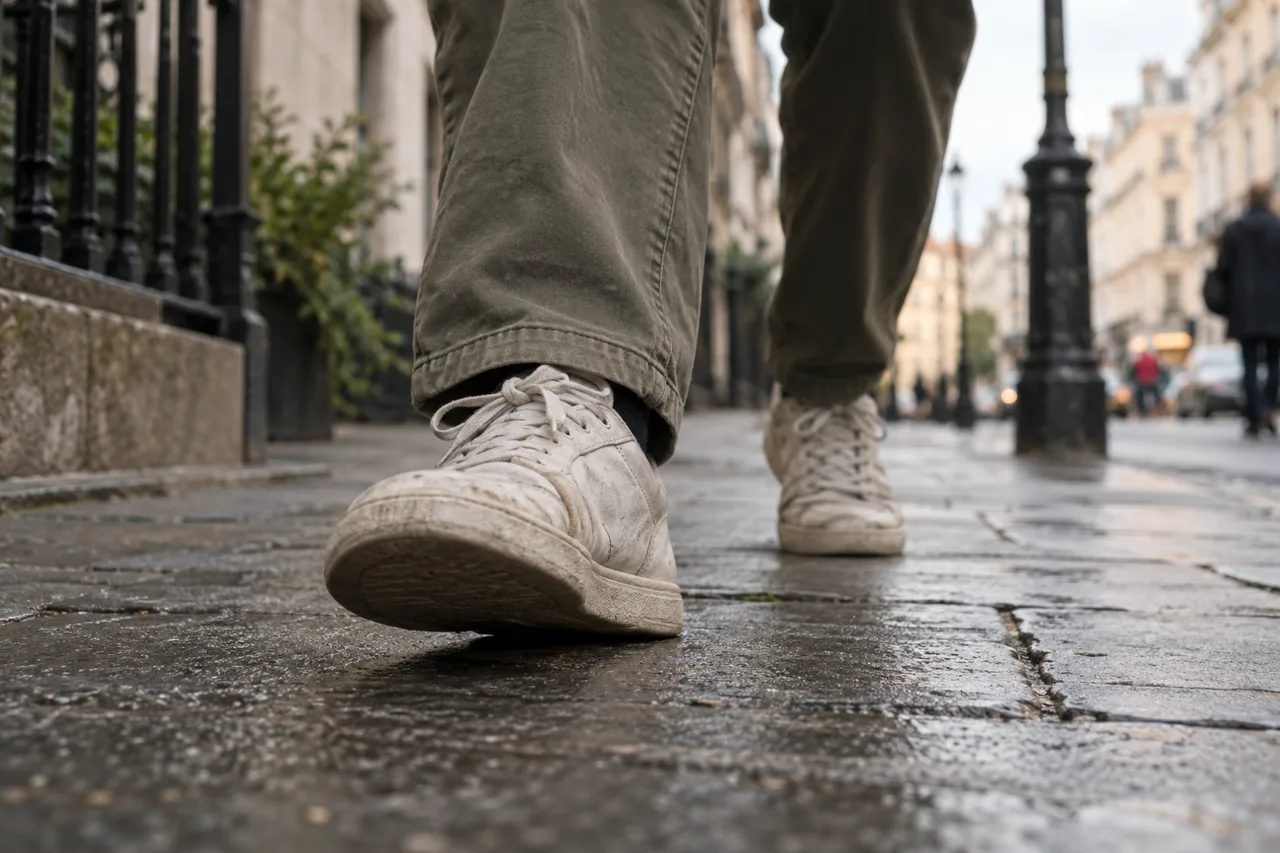
A mirror cannot show how a shoe behaves after a queue and several hours of standing. Walk in the pair you plan to wear. Try a turn, a step, and a short period standing still. Notice pressure across your toes, slipping at the heel, and whether you grip with your toes to keep the shoe on.
You do not need to abandon your style for a generic trainer. A familiar boot, supportive flat, or other well-fitting pair might work better for you. What matters is the actual fit and condition of the shoe, the expected surfaces, and your own needs. Avoid using a brand reputation as a substitute for that check.
Long trousers can complicate the choice. Make sure the hem clears the ground in the selected pair, especially if the venue is crowded or the pavement may be wet. Our guide to shoes for long event days covers how to test the whole combination before leaving.
Mistake 3: Wearing an outfit that needs two free hands
Try accessing your ticket while holding whatever you expect to carry. Now imagine doing it in a slow-moving line. A falling neckline, slipping strap, loose phone, and coat over one arm create a small logistical problem before the music even begins.
Look for secure closures and a bag arrangement permitted by the venue. Avoid assuming a crossbody shape or a tiny size guarantees entry. If you intend to use pockets, test them with the actual contents. A phone can pull lightweight fabric out of shape or fall from a shallow pocket when you sit.
A useful outfit allows you to move without constant repairs. Tighten adjustable straps, choose a different underlayer, or switch the troublesome garment. Do not bring an entire emergency sewing kit simply to defend a piece that already feels unreliable in your bedroom.
Mistake 4: Making every element the main event
Statement clothing works best when you can notice it. Metallic trousers, a heavily embellished jacket, large accessories, and elaborate shoes can compete for attention and add practical friction. Choose the detail you most want to wear, then let the other pieces support it.
For example, a bright shirt can work with familiar dark trousers and a plain jacket. A dramatic boot might feel stronger beside a simple dress than beneath an equally busy hem. These are editing choices, not a demand for minimalism. If you love maximal dressing, check each layer for comfort rather than removing personality by default.
Think about neighboring people too. Large rigid accessories can take up space in a close crowd. Pieces with sharp edges, dangling chains, or long trailing sections deserve another look. The organizer may also restrict particular accessories, so check before building your outfit around them.
Mistake 5: Treating indoor and outdoor concerts alike
A seated indoor event may make a delicate shoe or structured outfit workable if your route supports it. A field show asks different questions: what happens on soft ground, where can a removed layer go, and how will you manage a long walk? Dress for the surface you will actually use.
Outdoor planning also requires a weather decision that clothing cannot make for you. If conditions become unsafe, follow official instructions rather than treating a waterproof coat as a complete solution. Before leaving, check the organizer’s updates and forecast for the exact area.
For indoor venues, avoid certainty about the temperature. You may move between a warm crowd and a cooler corridor, or sit near a draft. A light adjustable layer can be useful, but your own temperature preferences should guide the choice. There is no single concert uniform that works for every body and building.
Mistake 6: Forgetting the seated version
Even if most of the show is standing, you may sit on a train or at a pre-show meal. Test waistbands, skirt lengths, jacket buttons, and trouser stretch while seated. A garment that looks relaxed upright can become restrictive when your hips and knees bend.
If your ticket is seated, think about repeated standing and sitting without collecting your entire outfit first. A bulky coat on your lap, a bag at your feet, and fabric caught beneath you can make a small space feel smaller. Choose pieces you can manage within your own seat area.
Mobility aids, sensory preferences, and access arrangements should shape the outfit from the start. Adapt fastenings, textures, and layers to what is comfortable for you. A practical guide should make room for those needs rather than assume everyone experiences a concert in the same way.
Three outfits to adapt from what you own
For a small indoor gig, try a favorite printed top, relaxed straight trousers, and familiar closed shoes. Add a light outer layer suited to the journey. Keep the bag choice conditional on the venue rules. The print supplies the visual focus while the rest handles movement.
For a seated evening performance, a simple dress or coordinated separates can work with a jacket and a shoe you already enjoy wearing. Adjust the level of formality to the venue’s stated expectations. If dinner is part of the evening, choose a combination that feels comfortable across both settings.
For an outdoor show, start with the weather and ground conditions. A comfortable base, adaptable middle layer, and suitable outer layer offer more control than a single heavy garment. Bring only the accessories the plan can support. The useful outfit is the one that still works when the journey home takes longer than expected.
Before you leave, remove one thing you packed only because you had not made a decision. Replace uncertainty with a quick check of the event information. Then let the outfit recede into the background while you enjoy the reason you got dressed.
Practical guidance to adapt to your own needs. Check event requirements with the organizer. Read our editorial standards.