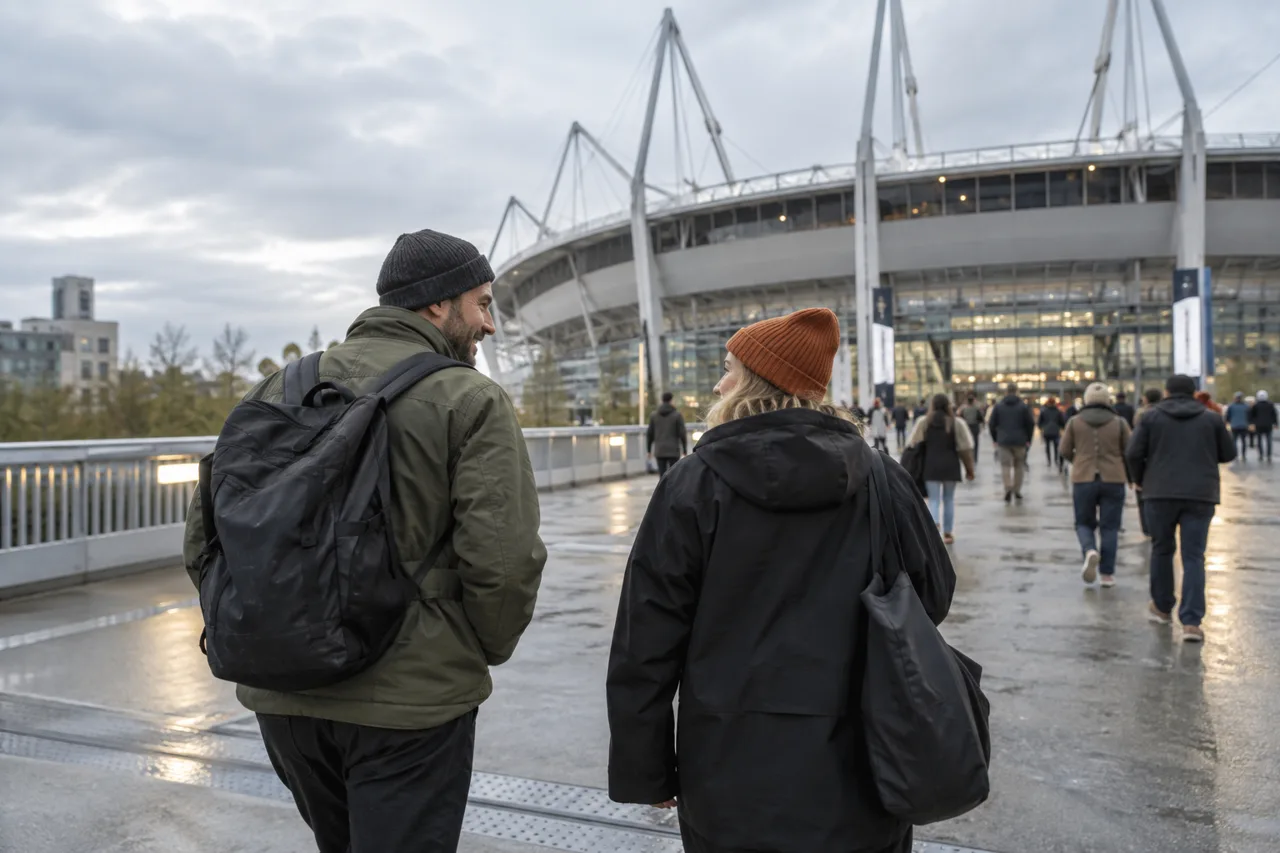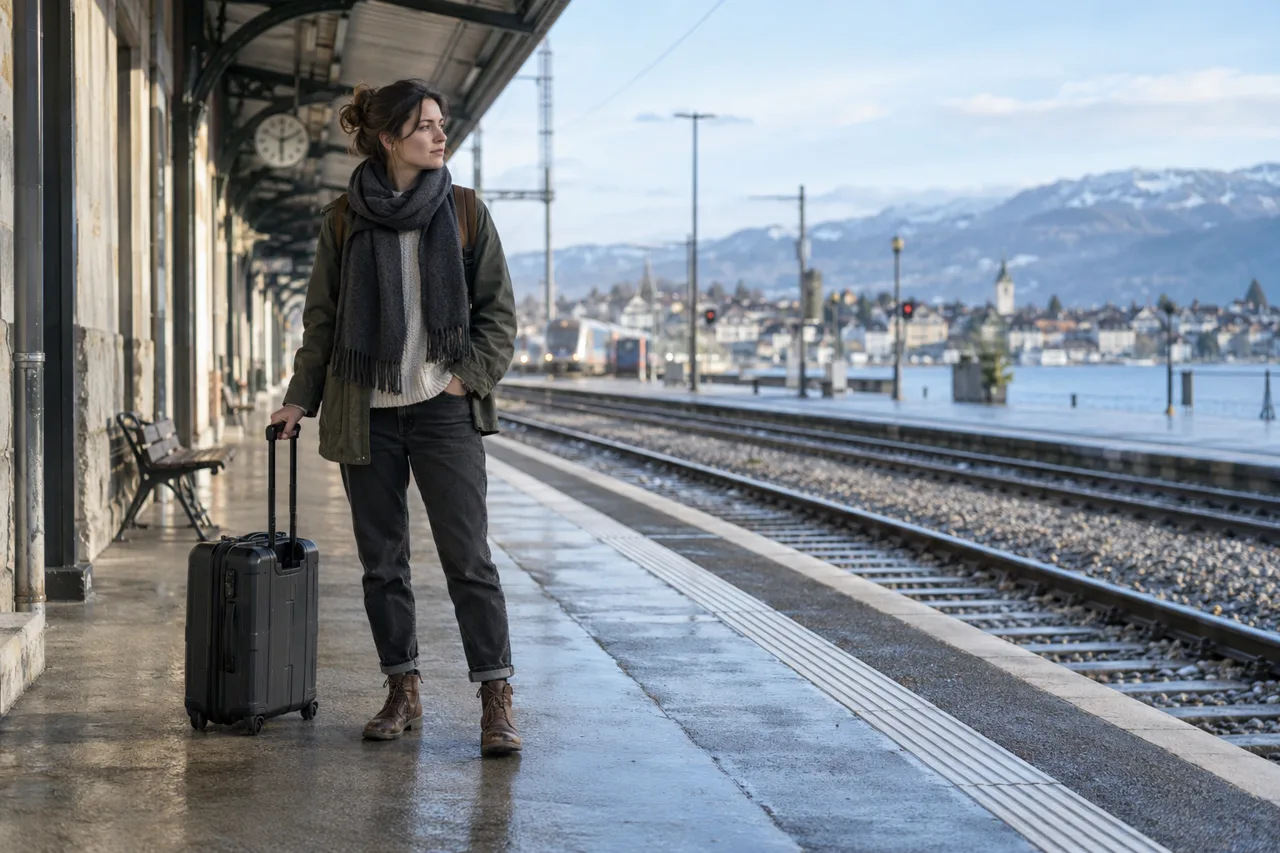
Packing for a short city trip becomes easier when you stop packing for separate photographs. A journey, a museum afternoon, dinner, and the return trip can often share pieces. The useful question is not how many complete looks fit in the suitcase. It is whether the clothes inside can cover the actual itinerary without requiring perfect weather or immediate laundry.
This guide uses a three-night city visit as an example. Adjust the quantities for your climate, access needs, activities, and laundry habits. A small bag is useful only if it carries what you reasonably need; traveling with less is not a competition.
Put the itinerary on one page
Write down the planned activities and any firm clothing requirements. A restaurant dress code, work meeting, religious site, or performance may need a particular solution. Verify requirements with the relevant organization rather than relying on a generic packing list. Then mark the parts of the trip that remain flexible.
Beside each activity, note the likely amount of walking and the weather exposure. Check the forecast close to departure. If your itinerary includes several indoor stops, you may need clothing that adjusts between rooms and streets rather than a single heavy outfit suited only to the coldest moment.
Separate confirmed needs from imaginary possibilities. If you have no plan for a formal evening, ask whether the extra outfit solves a plausible requirement or just a vague worry. Keep a reasonable contingency, but do not let every hypothetical invitation claim space in your bag.
Select the shoes before the trousers
Footwear takes space and determines which hems work. Start with the pair you expect to wear for most of the trip. Use a pair you already know on comparable walks. If a second pair has a clear role, such as a verified formal requirement, include it deliberately rather than because every packing list says to.
Try each intended bottom with the main pair. Check that fabric clears the ground and that the silhouette still feels like you. A trouser that works only with the optional shoe is less flexible than it appeared on the bed. The long-day footwear guide can help you evaluate comfort before departure.
Wear the heavier suitable pair during travel if that is comfortable, but do not choose airport or station clothing solely to save suitcase space. You still need to sit, handle luggage, and move through the journey. The clothes on your body count as part of the packing plan.
Build a compact set of working combinations
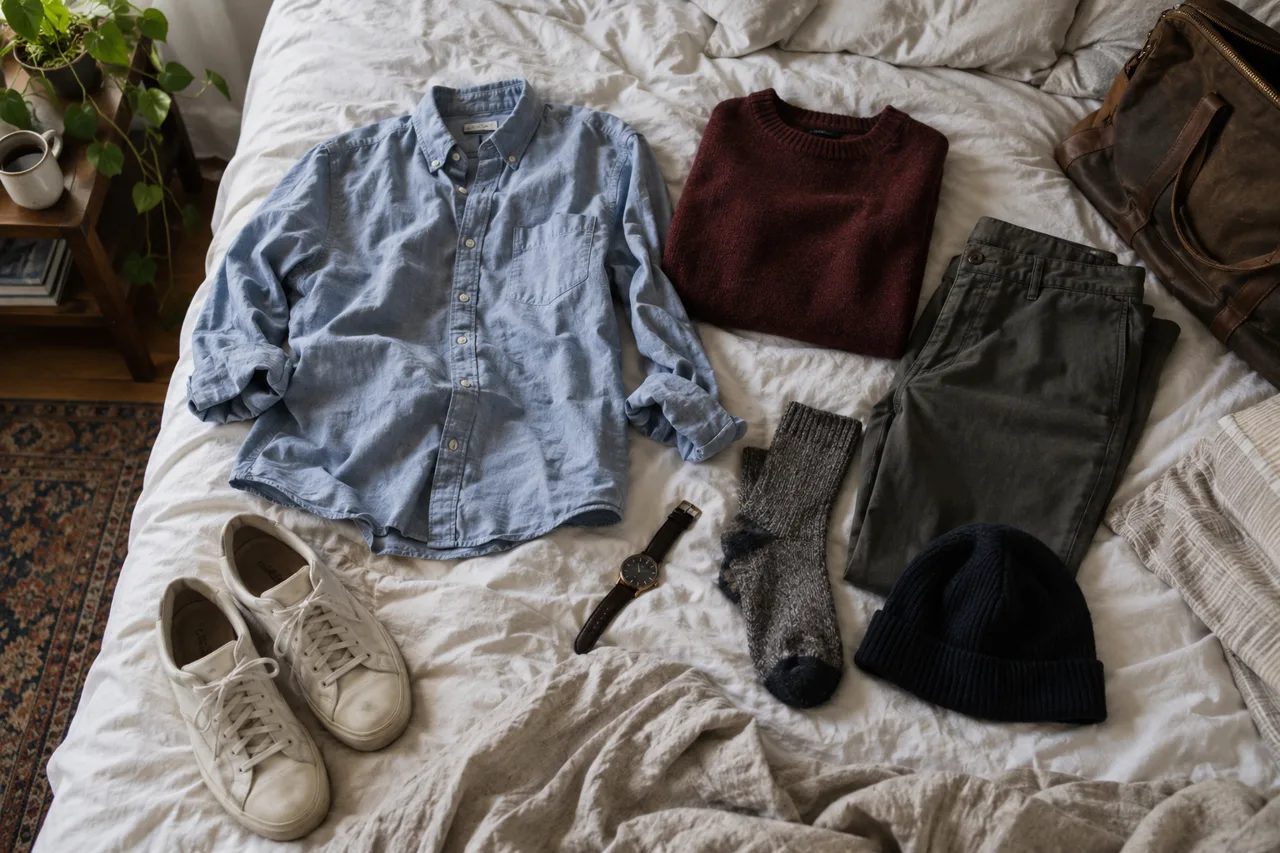
For the example trip, begin with two bottoms, three tops, and one adaptable middle layer, counting what you wear while traveling. Add appropriate underwear, sleepwear, socks, outerwear, and any activity-specific items. These numbers are a starting exercise, not a prescription. Heat, spills, personal needs, or a longer laundry interval may justify more.
Lay everything out and make actual pairings. Each top should work with at least one bottom, and several should work with both. Do not demand universal interchangeability if it makes every outfit dull to you. A single distinctive piece can earn its place by serving an important planned occasion.
An overshirt, cardigan, or other middle layer may help the same base move between settings. Check it over the thickest intended top. Pack the outer layer for the forecast and your activities rather than expecting a decorative jacket to provide protection it was not designed to give.
A sample three-night sequence
On the outward journey, wear comfortable trousers, a simple top, your main shoes, and the layer you expect to use most. Keep anything needed during travel accessible without unpacking the entire case. Avoid filling every pocket so heavily that sitting becomes awkward.
For the first full day, use a fresh top with the same trousers if they are still suitable. For dinner, you might change the top or add a small accessory you actually enjoy wearing. Repeating the base is fine. The point is to cover the occasion comfortably, not to prove that you packed a separate identity for each stop.
On the second full day, use the other bottom and a different top, then adjust the middle layer to the weather. Reserve a clean option for the return journey according to your own preferences. If this sequence depends on washing something overnight, check that the accommodation and drying time make that realistic.
Give every extra item a specific reason
A spare top may handle a spill or a warm day. A second pair of shoes may satisfy a clear dress requirement. Those are different from packing three nearly identical jackets because you have not chosen one. Name the reason and you can distinguish useful flexibility from deferred decisions.
Accessories should work at the same level. A scarf you regularly use may provide an easy change in appearance. Several unfamiliar accessories can become small objects to track without adding much value. Pack the ones that already belong to your habits, unless the trip itself calls for something new.
Use the weekend wardrobe method to identify dependable combinations before the trip. The clothes that cooperate at home are often a sensible starting point away from home. They still need to meet the destination’s weather, cultural expectations, and activity requirements.
Plan for clothing after it has been worn
A suitcase needs a system for used items as well as clean ones. A simple separate bag can keep worn clothing from mixing with the rest. Follow the care instructions for each garment and avoid packing anything damp against clean clothes. Give pieces appropriate time to dry before closing the case.
Do not assume every hotel provides laundry facilities, an iron, or a convenient place to hang clothes. Check amenities if your plan depends on them. If an item requires careful treatment, decide whether you are willing to manage it during this particular trip. The answer can change from one journey to another.
Creases may be a reasonable trade-off for packing light. Choose clothes whose appearance you can accept after ordinary travel, rather than expecting everything to emerge like a showroom sample. Avoid improvised cleaning or heat treatments that conflict with the label simply to rescue a look at the last minute.
The final edit happens with the bag closed
Put the packed bag upright, close it, and move it as you will during the trip. Can you lift or roll it comfortably? Can you reach the items you need during travel? A compact case that is difficult for you to handle is not a successful packing solution.
Remove a duplicate only if the remaining plan still works. Underpacking can create its own cost and inconvenience if you need to buy a basic item immediately after arrival. The right amount is the amount that supports your trip within the carrier’s confirmed baggage limits and your own handling needs.
Before leaving, check the forecast one more time and make a targeted change if necessary. Resist rebuilding the whole suitcase around a small possibility. You have already done the useful work: matched clothes to activities, checked the combinations, and left enough flexibility for an ordinary change of plan.
Practical guidance to adapt to your own needs. Check event requirements with the organizer. Read our editorial standards.